

Vertigo is more than simply emotion dizzy. For countless Americans, it disrupts work, associations, and standard everyday tasks. Studies claim that dizziness and balance disorders affect about 15% of U.S. people every year, yet several people go months—occasionally years—without an precise diagnosis. Viewing a balance disorder specialist may dramatically reduce that schedule and result in more efficient, targeted treatment.
Who Is just a Vertigo Specialist ?
A vertigo specialist is a clinician with sophisticated teaching in vestibular disorders— conditions that affect the internal hearing and brain's ability to manage balance. These professionals frequently maintain expertise in vestibular audiology, neurology, or otolaryngology, and use specific diagnostic instruments that common practitioners on average do not need access to.
Research shows that the common dizziness individual consults five to six various medical practioners before obtaining a proper diagnosis. A specialist competed in vestibular treatment is prepared to spot the root trigger effectively, avoiding the costly routine of inconclusive testing.
What Conditions Do Vertigo Specialists Handle?
Vertigo specialists diagnose and manage a wide variety of vestibular conditions , including:
BPPV (Benign Paroxysmal Positional Vertigo) — the most frequent reason behind vertigo , affecting roughly 64 atlanta divorce attorneys 100,000 persons annually
Meniere's Disease — a chronic internal hearing issue associated with liquid imbalance
Vestibular Neuritis — inflammation of the vestibular nerve, usually following a viral contamination
Migraine-Associated Vertigo — dizziness periods connected to migraine activity
Dizziness and Discrepancy — broader balance dysfunction with different main triggers
How Does a Vertigo Specialist Create a Analysis?
The diagnostic process typically uses three stages:
Stage 1 — In-Depth Consultation: The specialist opinions your symptom history in detail. Time, sparks, period, and extent all offer critical clues.
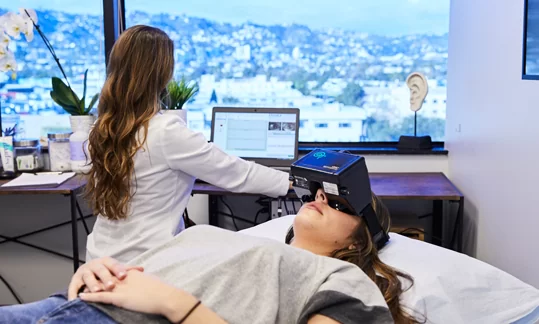
Stage 2 — Advanced Vestibular Screening: Particular assessments—such as for example videonystagmography (VNG) or advanced vibrant posturography—measure how effectively your internal head and brain are communicating. These tests move effectively beyond just what a normal physical exam may reveal.
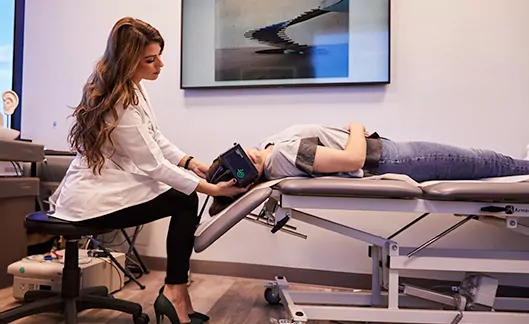
Stage 3 — Personalized Treatment Preparing: Based on the studies, the specialist types a targeted treatment plan. This could contain canalith repositioning maneuvers for BPPV, vestibular rehabilitation treatment (VRT), dietary modifications, or referrals to complementary medical providers.
What Benefits Can Individuals Expect?
Outcomes vary by problem and severity, but vestibular rehabilitation therapy has demonstrated substantial achievement charges in scientific literature. Many people report important sign decrease within just a couple of sessions. For BPPV specifically, a properly executed rethinking maneuver handles signs in up to 80% of cases after someone to three treatments.
Getting the Correct Step Forward
Living with vertigo is not at all something you can simply accept. The right specialist has got the diagnostic tools, medical expertise, and treatment protocols to get to the foundation of one's indicators and assist you to reclaim your quality of life. If dizziness has been reducing you down, booking an evaluation with a qualified vestibular specialist is the most strong route toward sustained relief.